Living in Saskatchewan means your home’s windows work harder than almost any other part of your house. Between the deep-freeze wind chills of a Regina winter and the intense heat of summer, local temperature swings can easily span more than 70 degrees Celsius over a single year.
That kind of severe thermal expansion and contraction puts immense stress on your windows. Eventually, even top-quality units can run into a very common issue: window seal failure.
At Glacier Glass, we regularly help local homeowners deal with foggy glass, unwanted drafts, and failing sealed units. Knowing what causes these problems and understanding your options for repair versus replacement can save you money, protect your comfort, and prevent major energy loss.
What Causes Window Seal Failure?
Modern double-pane and triple-pane windows rely on an airtight seal around the spacer bar holding the glass panes together. This seal traps an insulating pocket of air or dense argon gas inside.
However, seals break down over time because of a few specific factors:
Extreme Thermal Stress: The harsh temperature swings unique to Saskatchewan cause glass and frames to expand and contract rapidly. Over the years, this constant micro-movement puts a lot of pressure on the sealant.
UV Exposure: Intense, prolonged ultraviolet rays slowly break down the chemical composition of edge sealants.
Age: Standard window sealants have a natural lifespan. As they age, they dry out, crack, and lose their flexibility.
Poor Original Installation: If a window was not installed plumb, level, and square, it can twist over time and put uneven pressure on the seals.
Condensation Between Panes vs. Surface Condensation
One of the biggest points of confusion for homeowners is figuring out what type of condensation they are looking at. Not all window moisture means your window is broken.
1. Condensation Between the Panes (The Red Flag)
If you notice a hazy film, water droplets, or mineral streaks trapped inside the sealed unit where you cannot wipe them away, this is a definitive sign of seal failure. Once the perimeter seal breaks, the inert gas escapes, humid outdoor air gets trapped inside, and daily temperature changes cause it to condense on the inner glass surfaces.
2. Surface Condensation (An Environmental Issue)
If moisture appears on the interior or exterior surface of the glass, your window seal is likely completely fine. Interior surface condensation happens when high indoor humidity meets a cold glass surface on a freezing night. While it points to high indoor moisture levels or a window running a bit cold, it does not mean the mechanical unit itself has failed. Upgrading to energy-efficient windows or adding Super Spacer technology can help manage this.
The Hidden Cost: Energy Loss
When a window seal fails, it does not just look unsightly. It directly compromises your home’s thermal efficiency.
The moment that seal breaks, the insulating argon gas leaks out and is replaced by ordinary, moisture-laden outside air. This destroys the window’s R-value. Suddenly, you have a thermal bridge letting cold air pour in during January and hot air seep in during July. Your furnace and air conditioner have to work overtime to compensate, which drives up your monthly utility bills.
Repair vs. Full Replacement: What’s the Best Option?
When homeowners discover seal failure, they often worry they will have to tear out the entire window frame, trim, and siding. Fortunately, that is not always true, especially here at Glacier Glass.
Option A: Sealed Unit Replacement (The Cost-Effective Repair)
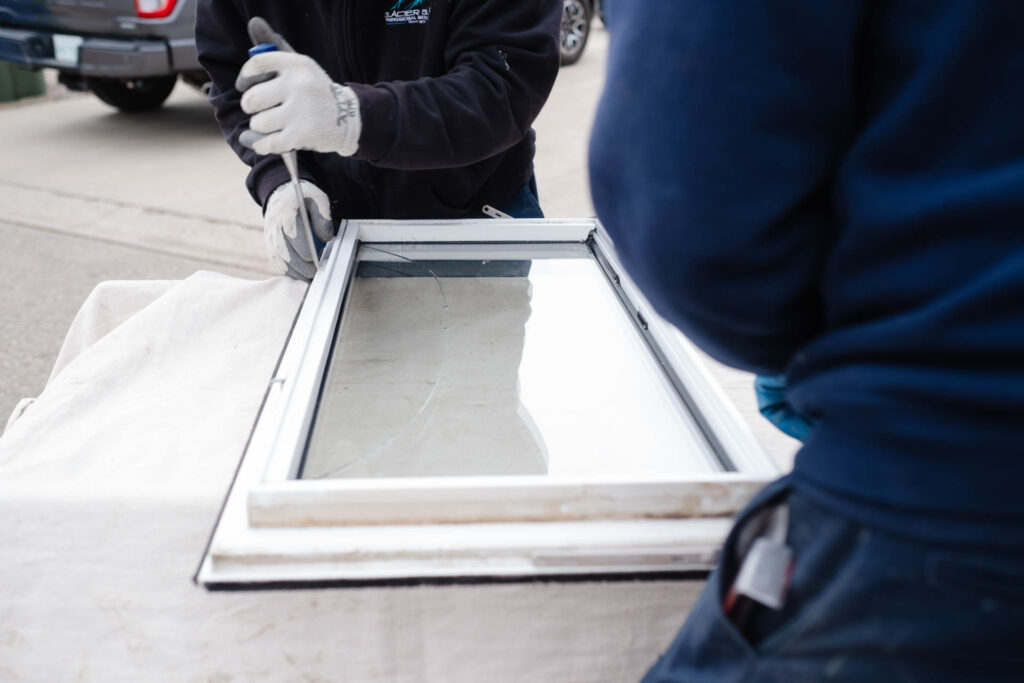
If your exterior and interior PVC or wood frames are still structurally sound, you do not need a full window replacement.
The Glacier Advantage: At Glacier Glass, we manufacture custom ‘Glasure Seal’ Sealed Units right in our in-shop facility in Regina.
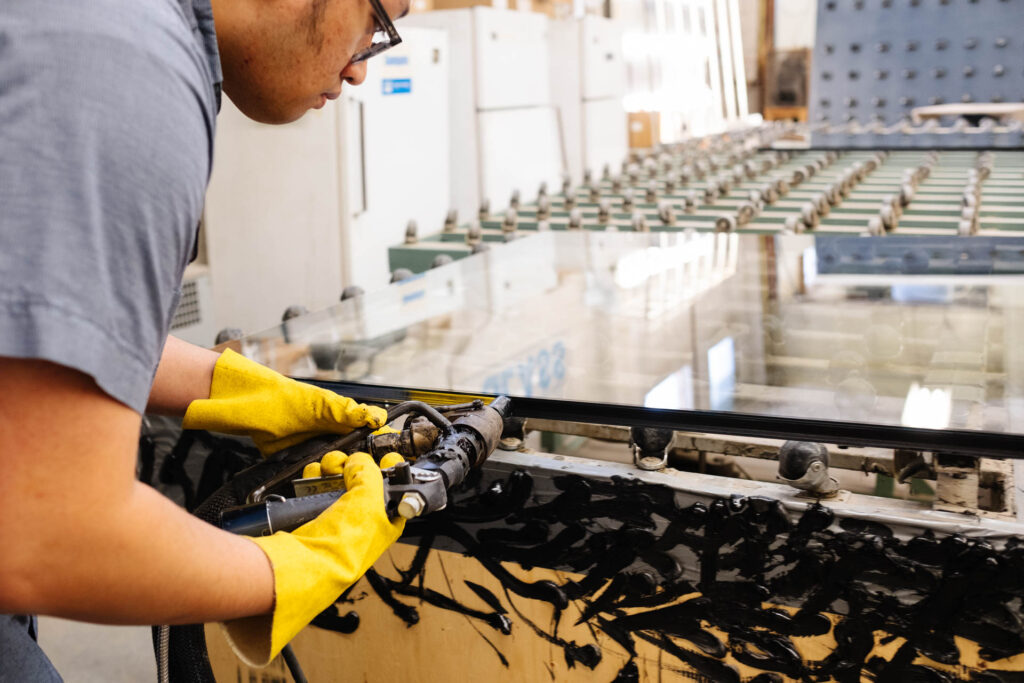
How it works: We can remove your failed glass pane and swap in a brand-new, high-performance sealed unit custom-built for your existing frames. It restores crystal-clear views and thermal efficiency at a fraction of the cost.
Option B: Full Window Replacement
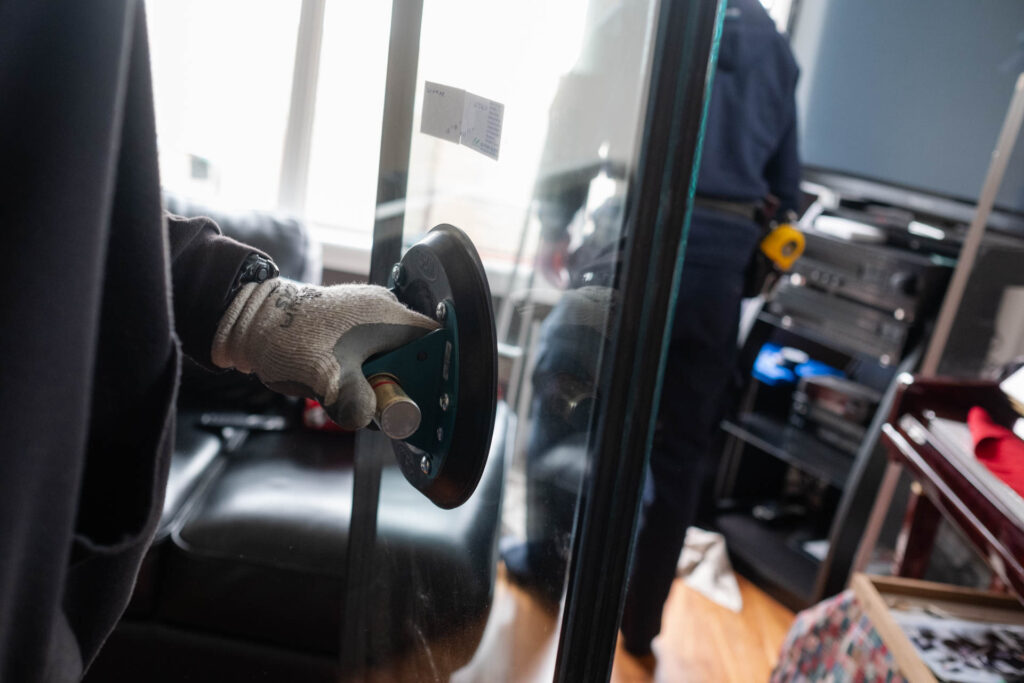
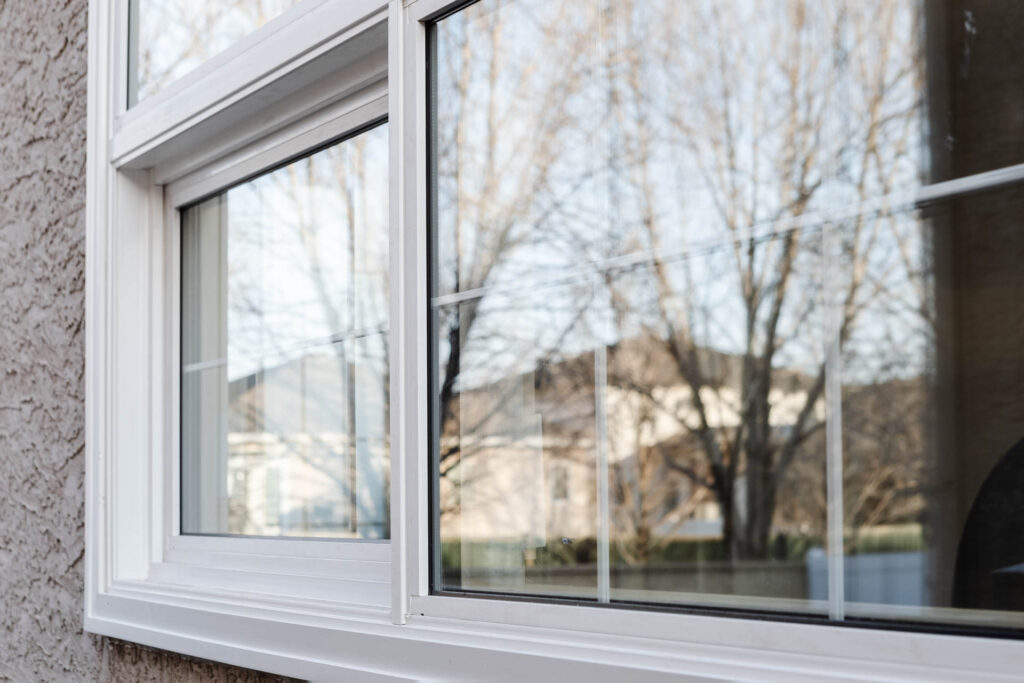
If your window frames are rotting, warped, severely drafty, or outdated like old single-pane or poorly sealed aluminum frames, a full replacement is the smarter long-term investment. Upgrading to high-performance units, such as our energy-efficient triple-pane PVC options, provides a complete structural reset for your home’s exterior envelope.
Trust the Local Experts at Glacier Glass
Dealing with foggy, failed windows does not have to be a headache. Whether you need a quick fix for a blown-out window pane or a complete upgrade to handle Regina’s extreme climate, the locally experienced team at Glacier Glass is here to help.
Stop by our showroom at 410 Quebec Street, or contact our team today to discuss your project or request a free estimate.